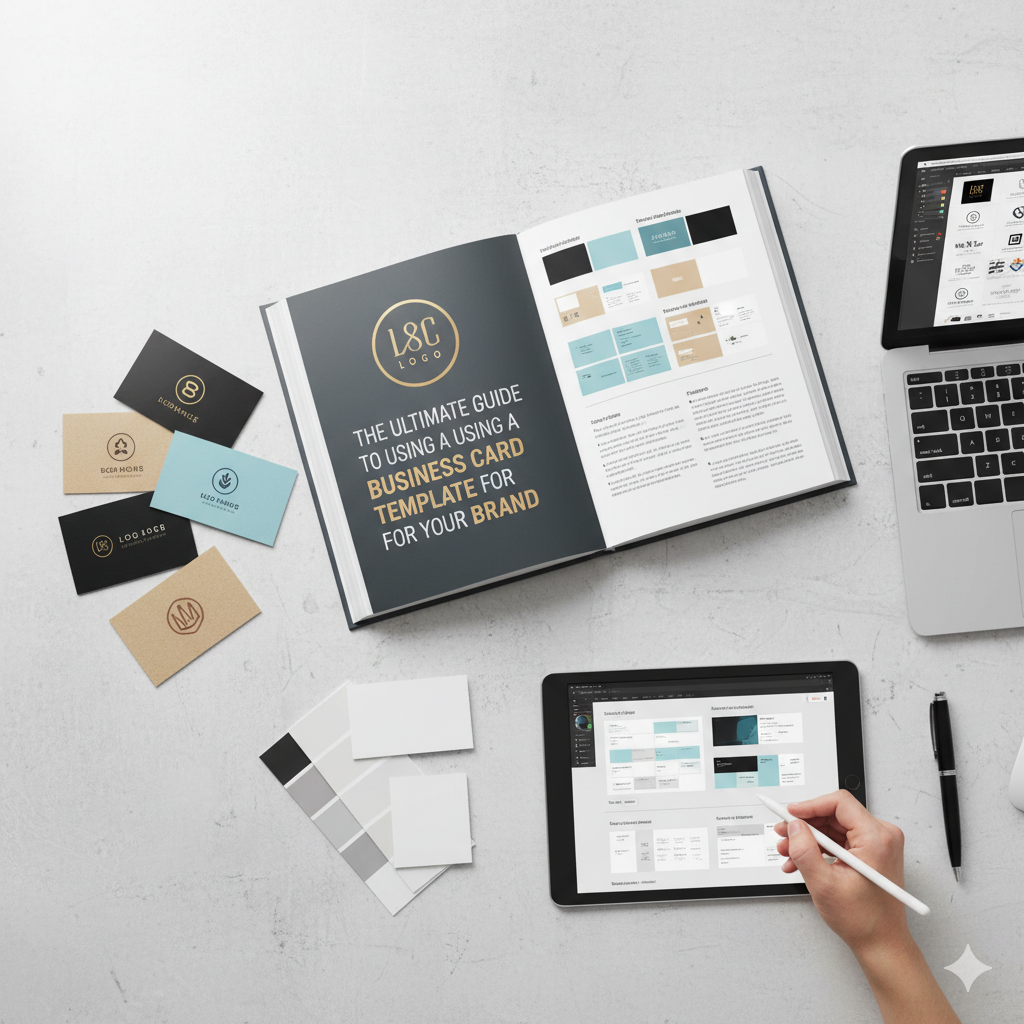
Freelance graphic design is one of the most competitive professions in the creative economy — and also one of the most rewarding when you crack the code on scalability. The traditional freelance model trades time for money: you have X hours available, charge Y per hour, and your income is capped at X×Y. But designers who understand how to leverage digital templates and assets can break this ceiling, turning one-time creative work into recurring passive income while simultaneously making their client-facing work more efficient and profitable.
The Passive Income Opportunity in Design Templates
Every design asset you create has the potential to be sold repeatedly. A brochure layout, a social media template pack, a font, a Shopify theme, a mockup — each of these can be created once and sold hundreds or thousands of times through digital marketplaces. The designers who build the most successful passive income streams are those who identify what their clients frequently request and create polished, editable versions of those assets for sale. Your most popular client deliverables are roadmaps to your most marketable products.
From Client Work to Marketable Products: Finding Your Niche
The most commercially successful design templates solve specific, recurring problems for defined audiences. Rather than creating generic “business brochure templates,” successful template designers create “trifold brochures for construction companies” or “social media templates for food Instagram.” Specificity commands higher prices, faces less competition, and generates better reviews because buyers feel the product was designed exactly for them. Vault’s product catalog demonstrates this principle: every product targets a specific niche with targeted design intent.
Using Templates to Accelerate Client Work
Beyond passive income, design templates dramatically accelerate client work — turning projects that previously took days into projects that take hours. When you start from a professionally structured template rather than a blank canvas, you spend your creative energy on customization, personalization, and refinement rather than structural problem-solving. Many successful freelancers build libraries of their own templates for repeated project types, allowing them to take on more clients, deliver faster, and maintain quality simultaneously.
Building a Professional Portfolio from Template Work
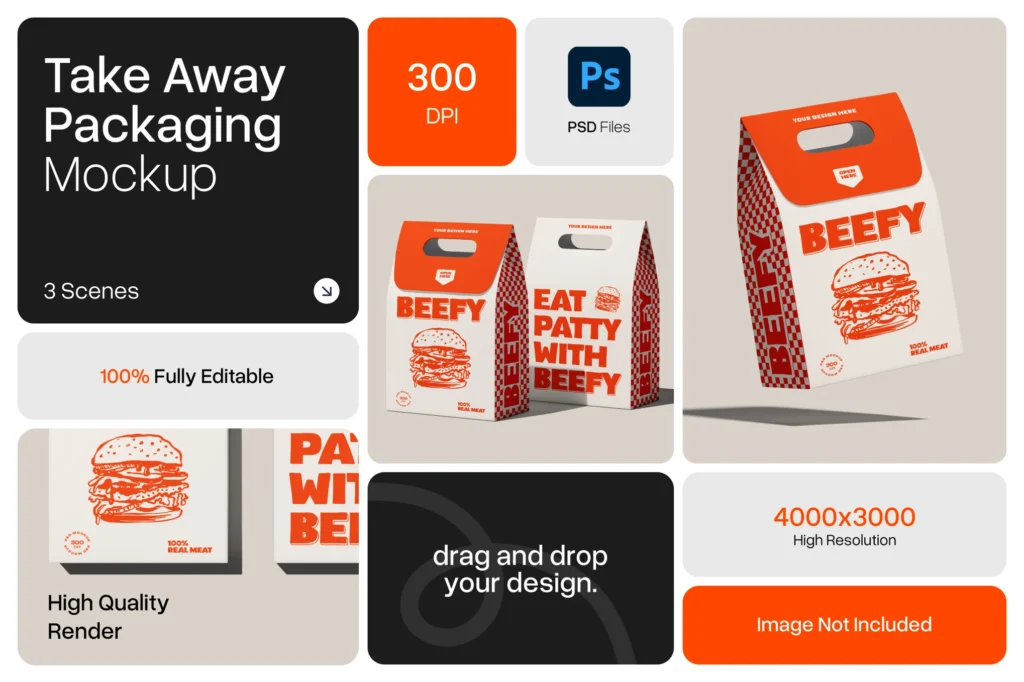
Professional mockup templates are essential for showcasing design work in the most compelling way possible. Whether presenting a brand identity to a client or building a portfolio for new business development, showing designs in realistic, photographic contexts makes work look production-ready and professional in ways that flat artwork presentations simply cannot match. The Streetwear T-Shirt Mockup, Coffee Pouch Mockup PSD, and other Vault mockup assets are exactly the kind of presentation tools that elevate portfolio quality and win client confidence.
Typography as a Standalone Product for Designers
Fonts are among the most purchased digital design assets — every designer, brand owner, and marketer needs quality typography, and the demand is continuous. Designers with type design skills or the ability to develop distinctive letterform variations have a strong opportunity to create marketable font products. Vault’s font collection — including Epic Pro for the bold/futuristic market and Halfre for the clean professional market — demonstrates the kinds of focused, niche-targeted typefaces that sell consistently. Even designers without deep type design backgrounds can create display fonts with focused scope and strong market appeal.
Pricing Your Design Templates for Maximum Revenue
Pricing digital design templates involves balancing accessibility against perceived value. Underpricing signals low quality; overpricing limits volume. The sweet spot varies by product type: fonts typically sell in the $10-30 range for individual licenses, Shopify themes command $50-200, comprehensive template packs range from $20-100, and professional mockup sets typically sell for $10-30. The most successful template sellers also offer bundle pricing and licensing tiers that maximize revenue from different buyer types — the independent designer, the small business, and the agency each have different value perceptions and price tolerance.
Marketing Your Design Templates Effectively
Selling design templates requires the same brand-building discipline that you apply to client work. Your product presentation — screenshots, mockup usage, description quality — directly determines conversion rates. Create compelling preview graphics showing your templates in real-world application. Write descriptions that speak to your target buyer’s specific pain point. Build social media presence in the communities your ideal buyers inhabit — design Twitter, Behance, Dribbble, and niche Facebook groups. SEO on marketplace platforms (Etsy, Creative Market, Envato) follows similar principles to Google SEO: targeted titles, keyword-rich descriptions, and quality that generates reviews.
Start Building Your Design Asset Business with Vault
The designers who build sustainable creative businesses in 2026 are those who treat their work as both a service and a product. Vault’s digital marketplace demonstrates the commercial potential of well-positioned design assets. Whether you’re looking for inspiration, professional assets to accelerate your client work, or starting points for your own products, explore Vault’s catalog and see what’s possible when design excellence meets smart positioning.