Building a strong brand is no longer a luxury reserved for large companies with big budgets. In 2026, accessible premium design tools, templates, and digital assets make it possible for small businesses to compete visually with established brands. This guide walks you through the complete process of building a professional brand identity from the ground up.
What Is Brand Identity and Why Does It Matter?
Brand identity is the visual and verbal expression of your business — it’s how your company looks, sounds, and feels to customers. A strong brand identity: builds recognition and recall, communicates your values and positioning, creates emotional connections with customers, supports premium pricing, and drives customer loyalty and word-of-mouth referrals. Research consistently shows that consistent brand presentation increases revenue by 10-20%.
Step 1: Define Your Brand Strategy
Before creating any visual assets, define your brand foundation: Purpose — why does your business exist beyond making money? Values — what principles guide your decisions? Positioning — how do you differentiate from competitors? Target audience — who are your ideal customers in detail? Brand personality — if your brand were a person, what would they be like? These strategic decisions inform every visual choice that follows.
Step 2: Choose Your Brand Typography
Fonts do more work than most people realize — they silently communicate personality, position, and values. Here’s a quick guide: Luxury and elegance: the Alika Elegant Serif Font or the Raudan Script Font; Modern and professional: the Halfre Clean Sans-Serif Font or the Biliner Meclan Minimalist Font; Bold and energetic: the Epic Pro Futuristic Font or the Sicker Bold Sans Font; Nostalgic and creative: the Bultik Retro Bubble Font or the Kooltura Psychedelic Font.
Step 3: Build Your Brand’s Digital Home
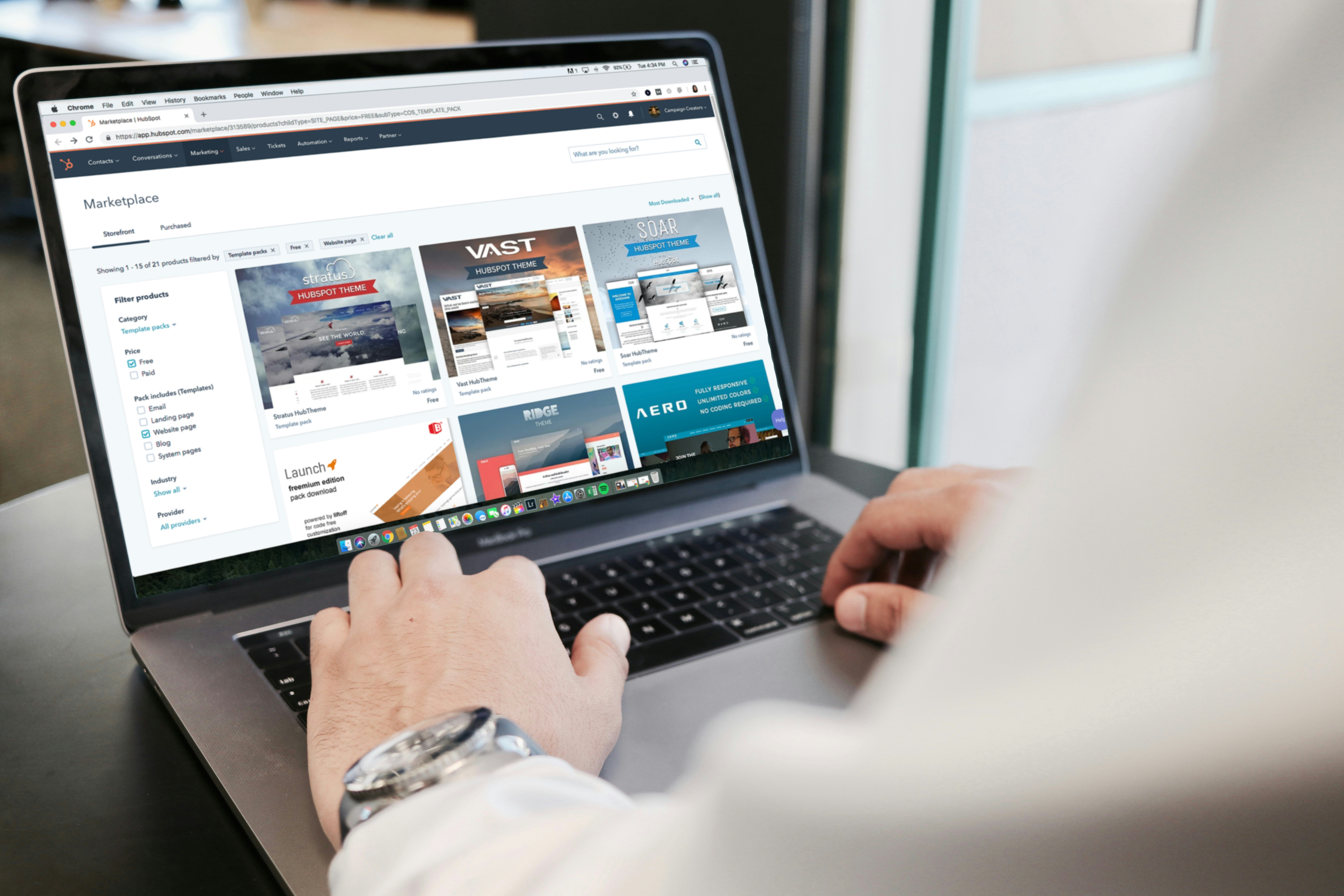
Your website is your brand’s headquarters on the internet. Choose the right platform and theme for your business type: E-commerce: a niche-specific Shopify theme from our Shopify collection — whether you sell beauty products, fitness gear, or jewelry; Service businesses: a WordPress Elementor theme like the IT Solutions Template Kit; Creative agencies: a Figma-designed template like the Innovative Branding & Website Template.
Step 4: Create Professional Marketing Materials
With your typography and website established, create a complete set of marketing materials: Business cards using the Business Card Mockup PSD Template; Social media templates using the Custom Social Media Post Templates; Product mockups for your physical or digital products; Event flyers for promotions and announcements; Presentations for client pitches and investor meetings.
Step 5: Implement a Content Marketing Strategy
Content marketing is the most cost-effective way for small businesses to build brand awareness and drive traffic. Consistent blogging, social media posting, and email marketing builds audience over time. Explore our Digital Marketing guides for strategies to grow your brand organically and our Content Creation category for practical content tips.
Step 6: Measure, Optimize, and Grow
Brand building is an ongoing process. Set up Google Analytics to track website performance, use social media analytics to understand what content resonates, and regularly review your brand presentation for consistency and freshness. As your business grows, invest in updating and expanding your visual assets to match your evolving brand position.
Conclusion
Building a professional brand on a small business budget is absolutely achievable in 2026. With premium fonts, website themes, mockups, and graphic templates from Vault ZXNova, you have everything needed to create a brand that competes with businesses many times your size. Start your brand-building journey today — explore our complete digital asset store and build the brand your business deserves.