Three-dimensional design has moved from a specialist skill to a mainstream creative tool. As render quality has improved and software has become more accessible, 3D product visualization is now standard practice across industries — from consumer electronics and furniture to architecture, jewelry, and automotive design. For brands, the ability to create photorealistic product images before manufacturing begins has transformed how products are marketed, tested, and launched. For designers, 3D skills and assets have become one of the most in-demand and premium-priced capabilities in the creative market.
Why 3D Product Visualization Has Become Essential
Traditional product photography is expensive, time-consuming, and inflexible. Once shot, product photos are fixed — any change to color, material, or design requires a new photoshoot. 3D visualization solves all of these limitations simultaneously. A single 3D model can generate unlimited variations in color, material, lighting, and environment. Renders can be produced to photo-realistic quality indistinguishable from traditional photography at a fraction of the ongoing cost. And 3D assets can be reused across multiple contexts: product pages, advertising, augmented reality applications, and animated marketing materials.
3D Objects and Models for Product Design
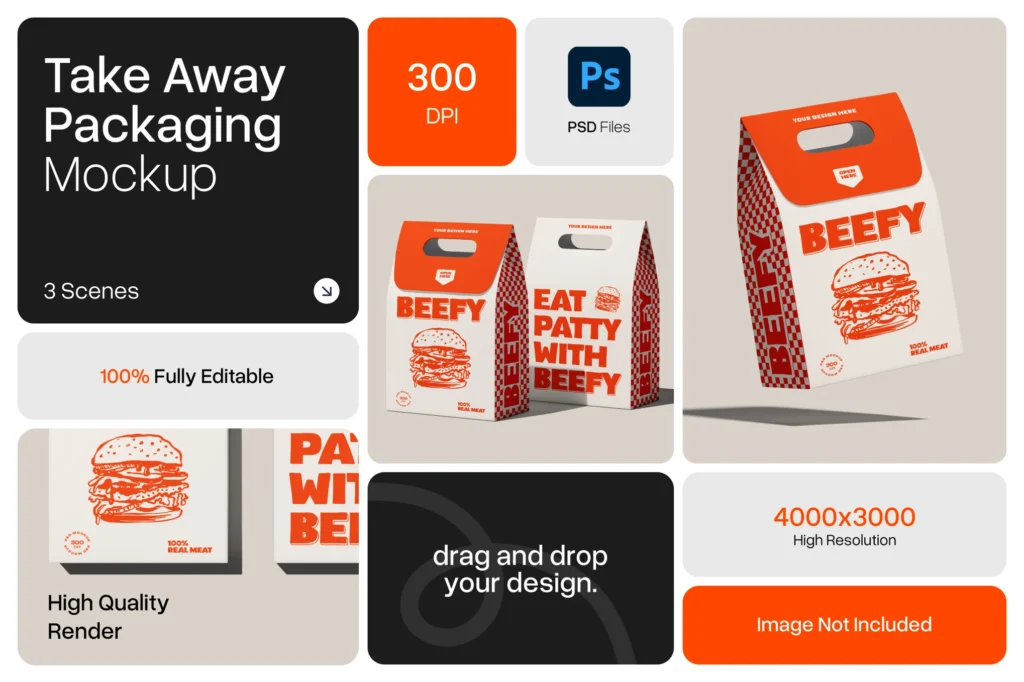
Vault’s 3D Objects collection provides professional-quality 3D models and render templates across multiple product categories and design contexts. Starting from professionally built 3D templates dramatically reduces the time required to create product visualizations — instead of modeling from scratch, designers can customize existing models with their own materials, colors, and branding. For product designers, brand managers, and marketing teams without deep 3D modeling expertise, this approach makes professional-grade 3D visualization accessible and efficient.
The template approach to 3D also ensures technical quality — professionally built models have clean geometry, optimized polygon counts, and proper UV mapping that produces high-quality renders across all software platforms. Starting from a quality foundation prevents the technical problems that plague self-made models and saves hours of troubleshooting during the visualization process.
Render Quality: What Separates Professional from Amateur 3D
The quality difference between professional and amateur 3D visualization is almost entirely determined by lighting and materials. Amateur 3D often suffers from flat, unrealistic lighting that immediately signals CG origin. Professional renders use sophisticated lighting setups that mimic real-world photography: key lights, fill lights, rim lighting, and environment-based illumination that creates the depth, shadow, and reflection behavior of physical objects. Material quality — particularly for glass, metal, fabric, and skin — requires careful configuration that professional assets handle correctly from the start.
Using 3D for Pre-Launch Marketing
One of the most powerful applications of 3D product visualization is pre-launch marketing. Brands can build anticipation, conduct market research, and even take pre-orders using photorealistic 3D renders of products that don’t yet physically exist. This approach eliminates the risk of producing inventory for a product that doesn’t resonate with the market — you validate demand visually before committing to manufacturing. Successful crowdfunding campaigns regularly use this strategy, and the practice has become standard in consumer electronics, furniture, and lifestyle product launches.
Augmented Reality and Interactive 3D for eCommerce
Augmented reality “try before you buy” features — where customers can visualize products in their own spaces through their smartphone camera — have become a major conversion driver in furniture, home decor, eyewear, and jewelry. Shopify and other eCommerce platforms now support AR product viewing natively, but the foundation for all AR experiences is a high-quality 3D model. Brands that invest in professional 3D assets today are building infrastructure for the immersive commerce experiences that will dominate online retail in the next five years.
3D in Social Media and Video Marketing
3D product animations are among the highest-performing content types on social media for product brands. A smoothly rotating 3D product render, a dramatic reveal animation, or an exploded view showing internal components creates the kind of visual interest that stops scrolling and drives shares. These animations, once created from a quality 3D model, can be repurposed across Instagram reels, TikTok, YouTube, website hero sections, and paid advertising — making the initial investment in quality 3D assets highly leverageable across your entire marketing operation.
Explore Vault’s 3D Asset Collection
Professional 3D product visualization doesn’t require a dedicated 3D studio or months of learning complex software. Vault’s 3D Objects collection provides the professional-quality models and render templates that designers, brand managers, and marketing teams need to create stunning product visualizations efficiently. Whether you’re visualizing packaging, product designs, or architectural concepts, start with professional assets and produce results that your clients and customers will remember. Explore Vault’s 3D collection and bring your products to life.